ChatGPT joins India’s branded microdrama rush as festive season puts format to test
India
October 12, 2026
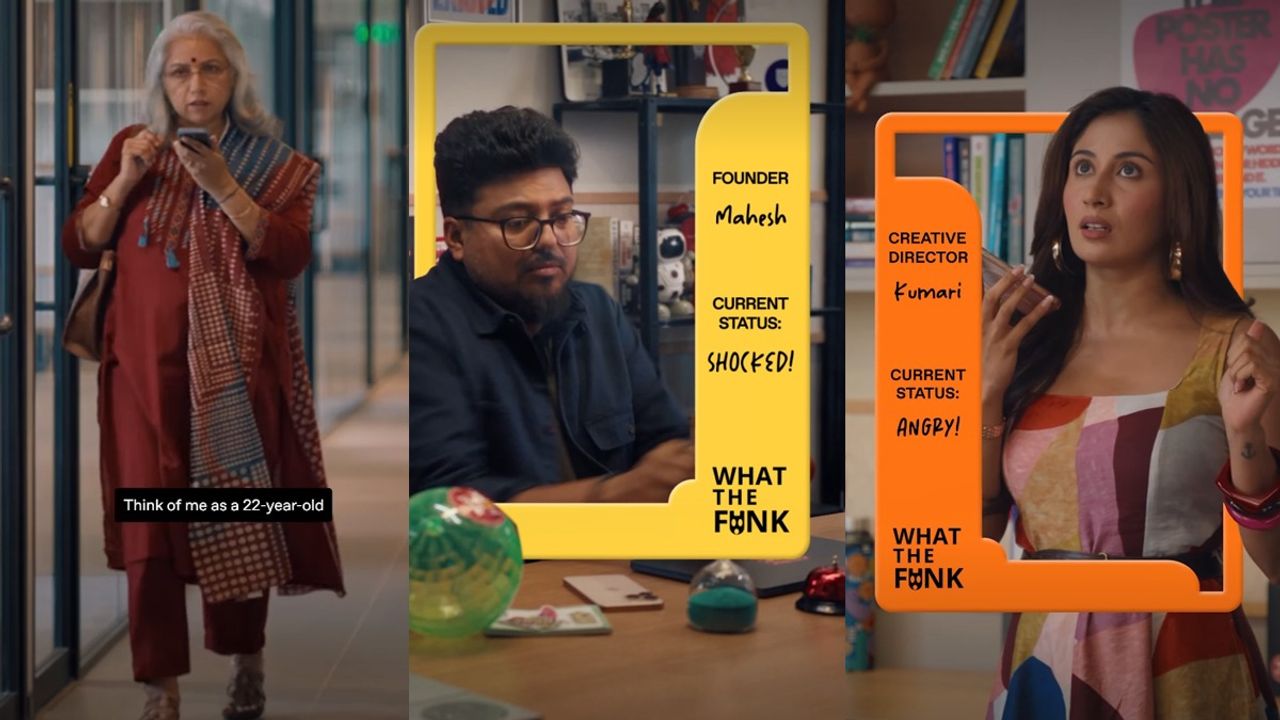
New Delhi: ChatGPT has become the latest brand in India to experiment with microdrama, with the Revathy-starrer The Grand Return, joining a growing set of marketers that are trying to turn short-form episodic fiction into a branded-content vehicle. With the micro-drama format, brands are testing whether consumers who increasingly skip or scroll past advertising will voluntarily follow a branded story from one episode to the next. Watch Episode 1 here: https://www.instagram.com/reels/DeWBWq8orFW/ ChatGPT’s entry comes at a particularly interesting time. Over the past few weeks alone, brands across categories have launched their own microdramas or associated themselves with episodic vertical fiction. Britannia Cake Fudge It Brownie launched its first Instagram microdrama on October 9, using everyday mishaps and comic situations to build the Fudge It proposition into the narrative. Read more here: Britannia’s Fudge It Brownie debuts Instagram microdrama series with Tilt Brand Solutions Underneat, the solution-wear brand co-founded by Kusha Kapila has been associated with Likhe Jo Khat Tujhe, a 14-episode Instagram series starring Kapila and Sheeba Chaddha. The brand has positioned the association as a move away from feature-led communication towards stories audiences may choose to spend time with. Read more here: Kusha Kapila to roll out ‘Likhe Jo Khat Tujhe’ as 14-part Instagram series Nykaa Wanderlust launched Hotel Wanderlust in September, a six-part Instagram microdrama set inside a fictional hotel. Its body mists, perfumes, shower gels and lotions are woven into the episodes rather than appearing as conventional ad breaks. Sociapa News Read more here: Nykaa Wanderlust turns workplace chaos into a new micro-drama series The experiments are not restricted to beauty and youth-facing categories. Tata Motors Commercial Vehicles partnered with Bullet Microdrama in September for Apna Superstar, a branded series built around aspiration and entrepreneurship, with the Tata Azura commercial vehicle integrated into the story. JK Super Cement went significantly longer with Tera Ghar Mera Ghar, a 53-episode vertical drama about a couple building a home while preparing for a child. Read more here: JK Super Cement turns home-building chaos into 'Tera Ghar Mera Ghar' The category itself became central to the plot rather than being inserted around it. The company said the series generated about 93 million views across platforms and reached approximately 25 million consumers. Earlier in the year, OnePlus used a six-episode Instagram microdrama, Not Again, around the launch of its Nord devices, while NIVEA India worked with Terribly Tiny Tales on the four-part Kabhi Kabhi Urvashi for its lip-care range. Taken together, these campaigns point to a shift in branded content. Instead of asking whether an advertisement can be made entertaining enough to hold attention for 30 or 60 seconds, brands are asking whether the advertising idea itself can sustain characters, episodes and a reason to return. Microdrama has some structural advantages for that experiment. India’s festive quarter is likely to offer one of the clearest tests yet of the branded microdrama proposition. Marketers are entering a period when advertising, commerce and consumer spending intensify simultaneously, giving microdramas something they have largely lacked so far: a chance to be judged against harder marketing outcomes. Views are relatively easy to generate and episodic content naturally creates more pieces of communication than a single brand film. The more difficult questions are whether viewers stay through the series, return for subsequent episodes, remember the brand rather than only the plot and, ultimately, whether that additional time spent with the story changes consideration or purchase behaviour. The festive season could therefore determine whether microdrama settles into the branded-content toolkit as another experimental format or begins taking a more meaningful share of campaign budgets. For ChatGPT, Britannia, Nykaa, Underneat, Tata Motors and the growing number of brands entering the space, the interesting metric may no longer be whether consumers watched episode one. It will be whether they came back for episode two, and whether the brand gained anything when they did.