Chinese Smart Vehicles Face Espionage Scrutiny: Norway finds cars recording sensitive activity near military bases
India
October 24, 2026
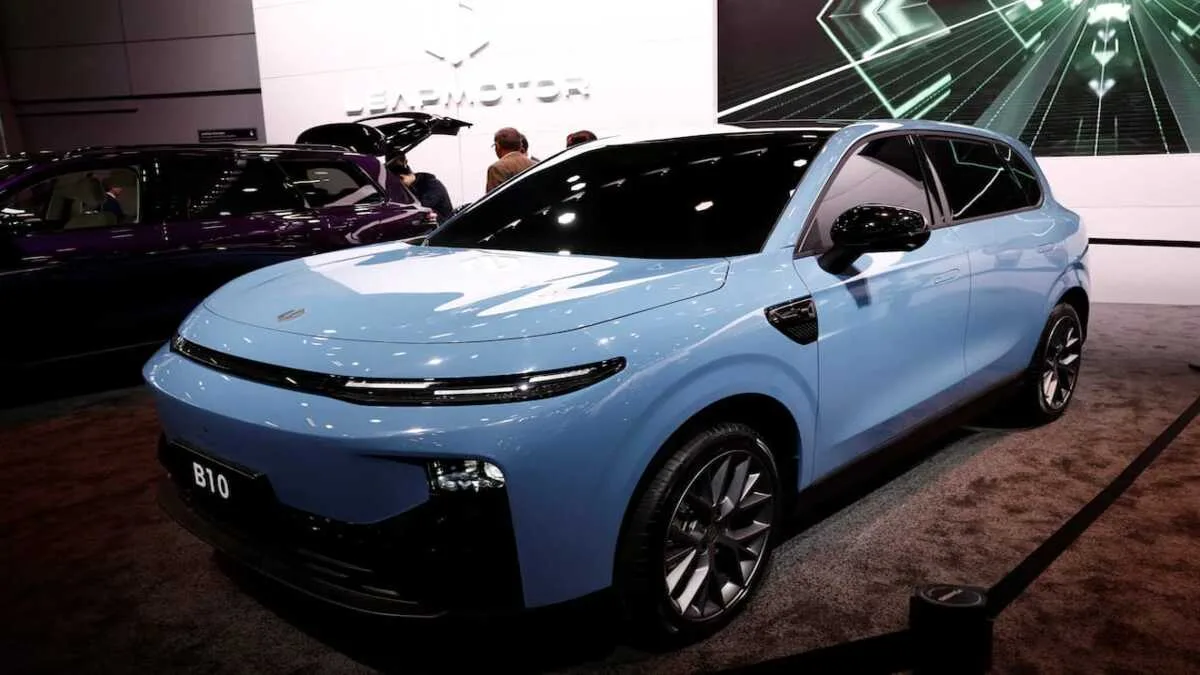
Chinese-made smart vehicles are raising national security concerns over their potential use for espionage, cross-border data collection and remote interference with transportation systems. Equipped with cameras, sensors, GPS tracking and internet connectivity, Chinese cars and buses can gather detailed information about their surroundings, including locations near military installations, government facilities and critical infrastructure. The concerns have intensified following security findings in Norway, where Chinese-made rental cars reportedly recorded military activities during an exercise and separate testing raised questions about the potential for remote access to connected vehicles. Security researchers have also examined where data collected by Chinese electric vehicles (EVs) is transmitted, highlighting vulnerabilities that extend beyond conventional concerns about personal privacy. Chinese cars record military activities, raising espionage concerns Norway’s military discovered in September that Chinese-made rental cars used during a military exercise had recorded and stored footage of military activities. The recordings reportedly included movements around military facilities and security codes entered at access gates, raising concerns about the inadvertent collection of sensitive operational information. In a written response to parliament on October 20, Norwegian Defence Minister Tore Onshuus Sandvik acknowledged that the military had not conducted a specific risk assessment of using Chinese-made rental cars for the exercise. Chinese smart cars are equipped with cameras, GPS systems, radar and other sensors capable of collecting detailed information about their surroundings. These features are designed to support navigation, driver assistance and automated functions, but they can also capture information about nearby buildings, vehicle movements, access points and geographical coordinates. Also Read: Jordan Terror Attack: Extremists target minority Christians; 7 killed, 40 injured & govt vows “harshest retaliation” Data transfers to China raise questions about vehicle surveillance Research testing has also raised questions about the destinations of data collected by Chinese smart cars. During a United Kingdom parliamentary hearing in June 2026, Tor Indstoy, who leads Project Lion Cage, an initiative examining connected-vehicle security, said testing found that approximately 90 per cent of outgoing data from one Chinese electric vehicle was being sent to a server hosted by Tencent Cloud in Beijing. Indstoy told lawmakers that the server location changed to Frankfurt after the vehicle was reprogrammed. The findings drew attention to how software configuration can affect the routing and storage of information generated by connected vehicles. The destination of vehicle data matters because information transmitted across borders may be subject to different legal frameworks, access arrangements and security controls. The issue considered as a national security and data-sovereignty challenge rather than simply a dispute over commercial competition. Experts linked these concerns to China’s broader industrial strategy, which places intelligent connected vehicles alongside big data, smart cities and navigation technologies. According to them, China’s National Intelligence Law, which requires organisations and citizens to support, assist and cooperate with national intelligence work. The law has prompted concerns among some security analysts that Chinese manufacturers could face legal obligations to provide information to state authorities. They argue that governments using Chinese cars and connected technologies must consider not only manufacturers’ stated data policies but also the legal environment in which those companies operate. Chinese electric buses raise fears of remote disruption Beyond data collection, security testing in Norway has highlighted potential risks involving remote access to vehicle systems. A separate test found that a Chinese-made Yutong electric bus could theoretically be disabled through its remote software-update system, which had digital access to critical battery and power-supply controls. Connected vehicles rely on software systems that enable manufacturers to deliver updates, diagnose faults and maintain vehicle performance. If these systems were compromised or accessed by an unauthorised actor, the consequences could extend beyond individual vehicles, depending on the level of access and the systems affected. Experts warn that vulnerabilities in connected EVs could become more consequential during a military conflict or national emergency. If an adversarial actor gained unauthorised control over vulnerable systems at scale, vehicle disruption could potentially affect transport networks and public mobility. The Norwegian cases have brought these issues into sharper focus for governments and transport operators evaluating Chinese cars, electric buses and other connected vehicles. As Chinese smart vehicles expand into international markets, the security debate is increasingly centred on how governments can protect sensitive information and critical infrastructure while managing the risks associated with increasingly connected transport technology.